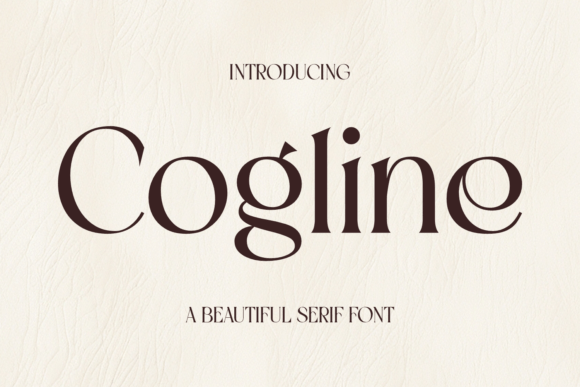
Cogline: A Serif Font That Elevates Web Design
There’s something about a well-chosen typeface that can transform a website from good to unforgettable. Recently, I had the chance to test Cogline, an elegant serif font that blends classic sophistication with modern refinement. As I integrated it into a boutique online store layout, I quickly realized how much it added to the overall brand experience.
Cogline has a visual personality that feels both timeless and fresh. Its graceful curves and sharp serifs give it a sense of elegance that's perfect for branding, invitations, and editorial design. On the web, this translates into a refined look that immediately communicates professionalism and attention to detail.
Elegance in Every Pixel
When I first applied Cogline to the hero section of a sample landing page, the effect was immediate. The font’s strong presence made the headline stand out without overwhelming the rest of the design. It worked especially well over a full-screen image banner, where its clean lines and subtle texture complemented the background without competing for attention.
The font’s readability on mobile screens was another highlight. Even at smaller sizes, Cogline maintained its legibility, which is crucial for responsive layouts. This makes it ideal for use in headers, call-to-action areas, and other key sections where clarity and impact are essential.
Perfect for Branding and Digital Assets
Cogline shines when used for short phrases, titles, and decorative wording. In a recent project for a creative portfolio site, I paired it with a clean sans serif font for body copy. The contrast created a balanced visual hierarchy that guided users effortlessly through the content.
For a boutique online store, I used Cogline in product banners and promotional sections. The font’s sophistication helped elevate the brand identity, making the shop feel more premium and trustworthy. It also worked well for digital ads and campaign pages, where it added a touch of class without sacrificing clarity.
One thing to keep in mind is that Cogline isn’t suited for long paragraphs or dense text blocks. Its decorative nature makes it better suited for display use rather than body copy. For websites that require a lot of supporting text, pairing it with a simple sans serif or clean serif font ensures readability doesn’t suffer.
Design Tips for Using Cogline Online
When using Cogline on websites, I recommend testing it across different backgrounds—light and dark—to ensure optimal contrast. It looks particularly striking against light backgrounds, but it can also work well as an overlay on darker images with proper spacing and color choices.
For small buttons or navigation elements, stick to simpler weights or consider using a complementary sans serif font to maintain usability. Also, be sure to check the font’s availability as a webfont and confirm it supports all necessary characters and languages before launching any client projects.
Font pairing is another area where Cogline excels. When combined with a clean sans serif like Helvetica or Arial, it creates a modern yet traditional aesthetic that works well for editorial-style websites or digital brand kits.
Considerations for Real-World Use
While Cogline is a fantastic choice for most digital applications, there are some scenarios where it may not be the best fit. Avoid using it for form labels, small navigation text, or accessibility-heavy interfaces where legibility is paramount. Its decorative style is best reserved for display purposes rather than functional elements.
Before incorporating Cogline into any live project, make sure to review the licensing terms, especially if you're designing for commercial use. Confirm that the font includes all necessary styles, alternates, and ligatures to support your specific design needs.
In conclusion, Cogline is a versatile and visually appealing serif font that brings a sense of sophistication to any web project. Whether you're designing a boutique online store, a coaching website, or a course sales page, it adds a layer of elegance that can significantly enhance the user experience.